Turn Unwanted Vehicles Into Steady Profit and Parts Supply
Buying junk cars can grow your auto business by giving you low-cost inventory, steady parts supply, and new revenue streams. When you purchase unwanted or damaged vehicles, you can resell usable parts, scrap the metal, or rebuild and flip certain cars. This creates more ways to make money from one deal. If you run a repair shop, body shop, or towing company, adding junk car purchases can help you stay busy year-round.
What You Need Before You Start
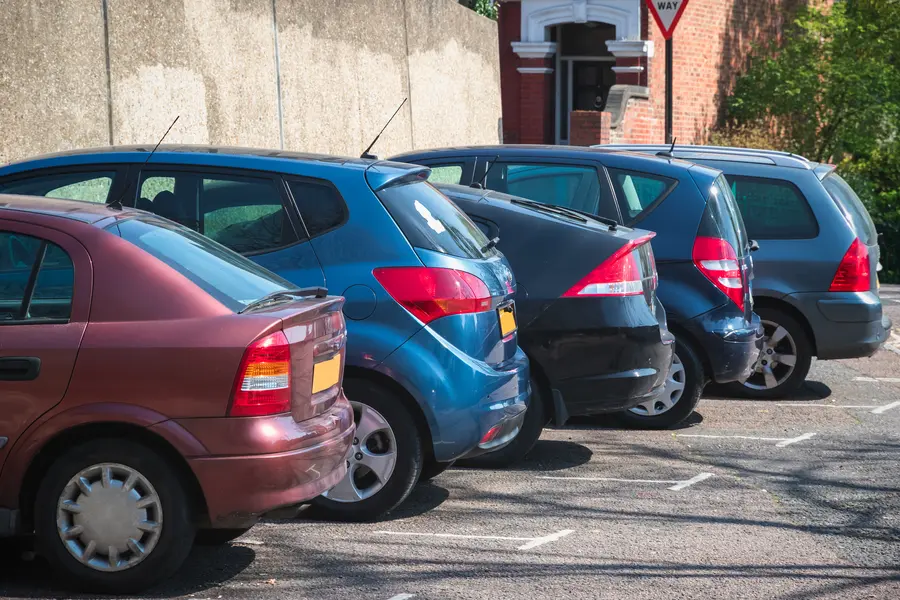
Before buying junk cars, you need a simple plan. Random purchases can tie up cash and space. Start with these basics:
- Secure yard or storage space for vehicles
- Basic tools and equipment for dismantling
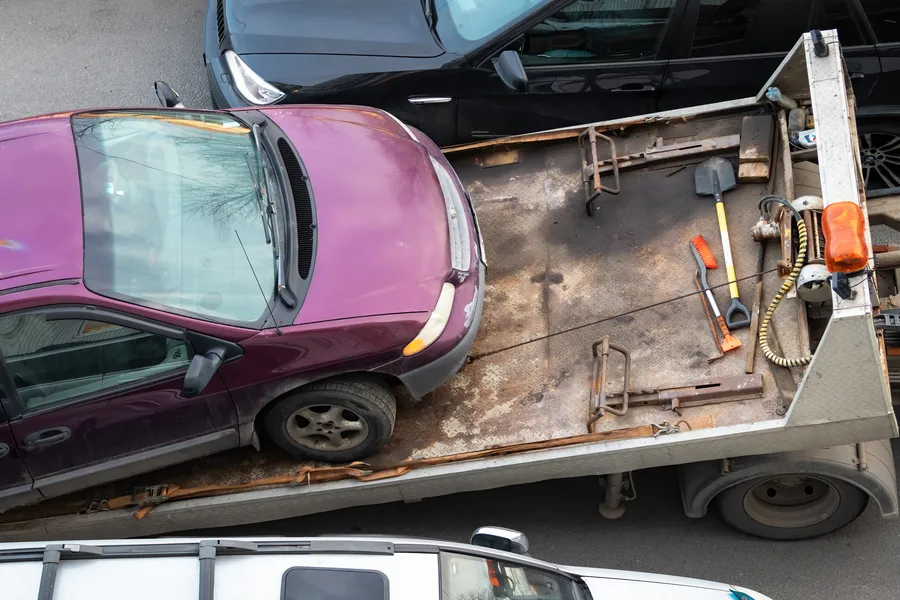
- A way to tow or haul cars
- Knowledge of local title and salvage laws
- Contacts for scrap yards and parts buyers
You should also check your state rules on salvage titles and reporting. Some areas require clear paperwork before you can resell parts or scrap a vehicle. A quick review of local laws can save you from fines later.
Step-by-Step Process to Make It Profitable
Growing your business with junk vehicles works best when you follow a clear system. Here is a simple process you can use.
- Find reliable leads. Advertise online, place local ads, and work with tow truck drivers. Many car owners just want an easy sale.
- Inspect before you buy. Check the engine, transmission, catalytic converter, and body panels. Even if the car will not run, parts may still have value.
- Set a strict buying price. Base your offer on scrap weight, part resale value, and labor time. Leave room for profit.
- Remove high-value parts first. Engines, transmissions, alternators, wheels, and electronics often sell quickly.
- Sell scrap metal last. After pulling parts, send the remaining shell to a recycler.
This step-by-step approach keeps cash flowing. It also prevents your lot from filling up with cars that do not turn a profit.
Common Mistakes to Avoid
Many shop owners lose money in the beginning because they skip basic checks. Watch out for these problems:
- Paying too much for a vehicle based on looks alone
- Not verifying the title or ownership
- Holding cars too long without pulling parts
- Ignoring local environmental rules
- Failing to track inventory and sales
Buying junk cars should feel like a business decision, not a gamble. Every vehicle must have a clear plan. If you cannot see a profit path, pass on the deal.
When It Makes Sense to Get Professional Help
As your operation grows, you may need outside support. This can include legal guidance for salvage compliance, accounting help for tracking resale income, or expanded towing services. If you handle fluids or hazardous materials, proper disposal services can protect your business from fines.
Some auto shops also partner with established recyclers for bulk scrap deals. This can save time and reduce storage problems. If your team is stretched thin, outsourcing part of the process may increase profits rather than cut into them.
Final Recommendation and Next Steps
Buying junk cars is a practical way to expand services, increase parts inventory, and create new income streams. Start small. Track every cost. Focus on vehicles with strong resale potential. As you learn what sells fastest, you can adjust your offers and pricing model. Over time, these small improvements can turn unwanted cars into one of your most reliable profit sources.
Grow Your Auto Business With the Right Strategy
If you are ready to grow your operation in Houston, TX, adding junk vehicle purchasing can open new doors. At Tinajero Auto Recyclers, we focus on smart buying strategies that protect profits and reduce risk. Call us at (281) 652-6024 to talk about how we can help you build a steady system that works for your team and keeps inventory moving.